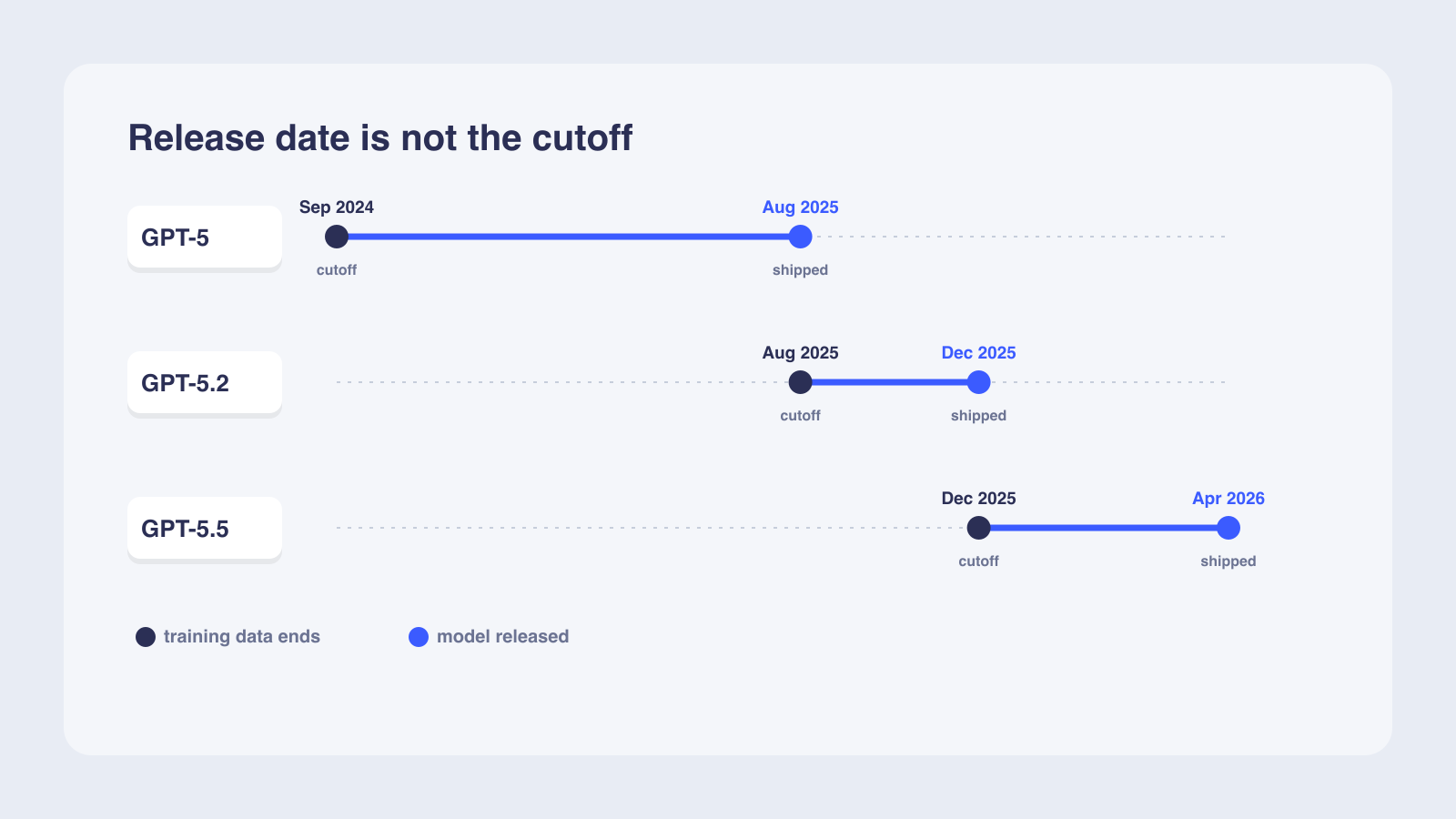

A ChatGPT knowledge cutoff date marks the last date a model's training data covers. Anything published after that point, the model has no inherent knowledge of unless it can browse the web. The cutoff is not the release date: GPT-5.5 shipped in April 2026, but its documented cutoff is December 1, 2025, because training and release run on separate schedules.
Sounds familiar? Pick what is true for you
- SaaS / AI startup founderWhy does AI recommend our competitors instead of us?
- Agency & software-house partnerWe spend more time explaining AI search than doing it. What helps?
- SaaS / AI startup founderHow do we measure sign-ups that come from AI?
- Agency & software-house partnerWe don't have AI search skills in house. Can we still sell it?
We answer it in a free audit of your own site, with the report in 24 hours.
This article covers what cutoff dates mean, why they shift between versions without notice, and how to verify which model and cutoff you are actually running.
What is a ChatGPT knowledge cutoff date?
The cutoff date is where a model's training data ends, not when the model shipped to users. Training data includes text, code, and other content collected up to a specific date; anything after that boundary does not exist in the model's built-in knowledge.
The training data endpoint
The cutoff marks the end of data collected during training. Prices, product launches, research, and events after the cutoff are not part of the model's inherent knowledge unless it can browse the web. A model released in April 2026 can carry a cutoff months earlier because the training pipeline runs on its own schedule. The cutoff is the boundary of what the model knows, not a guarantee of how fresh it is.
Why the date shifts between model versions
Each model version ships with its own cutoff. GPT-5, released in August 2025, has a documented cutoff of September 30, 2024, per OpenAI's model release notes.
GPT-5.2 pushed the cutoff later, to August 31, 2025. Newer does not always mean more current: GPT-4o's cutoff of October 2023 is earlier than GPT-4 Turbo's December 2023 cutoff, even though GPT-4o is the newer model.
Current cutoff dates for active models
Three of the models that have recently powered ChatGPT carry very different cutoffs:
| Model | Released | Documented knowledge cutoff |
|---|---|---|
| GPT-5.5 | April 2026 | December 1, 2025 |
| GPT-5.2 | December 2025 | August 31, 2025 |
| GPT-5 | August 2025 | September 30, 2024 |
These dates are documented on the knowledge-cutoff.date tracker and in OpenAI's release notes. OpenAI has shipped additional point releases between these versions, so the exact model behind ChatGPT at any moment can differ from the one you expect.
How does the knowledge cutoff affect ChatGPT's answers?
When you ask ChatGPT about a recent topic, the answer depends on whether the subject falls within the model's training window.
What the model knows vs what it can look up
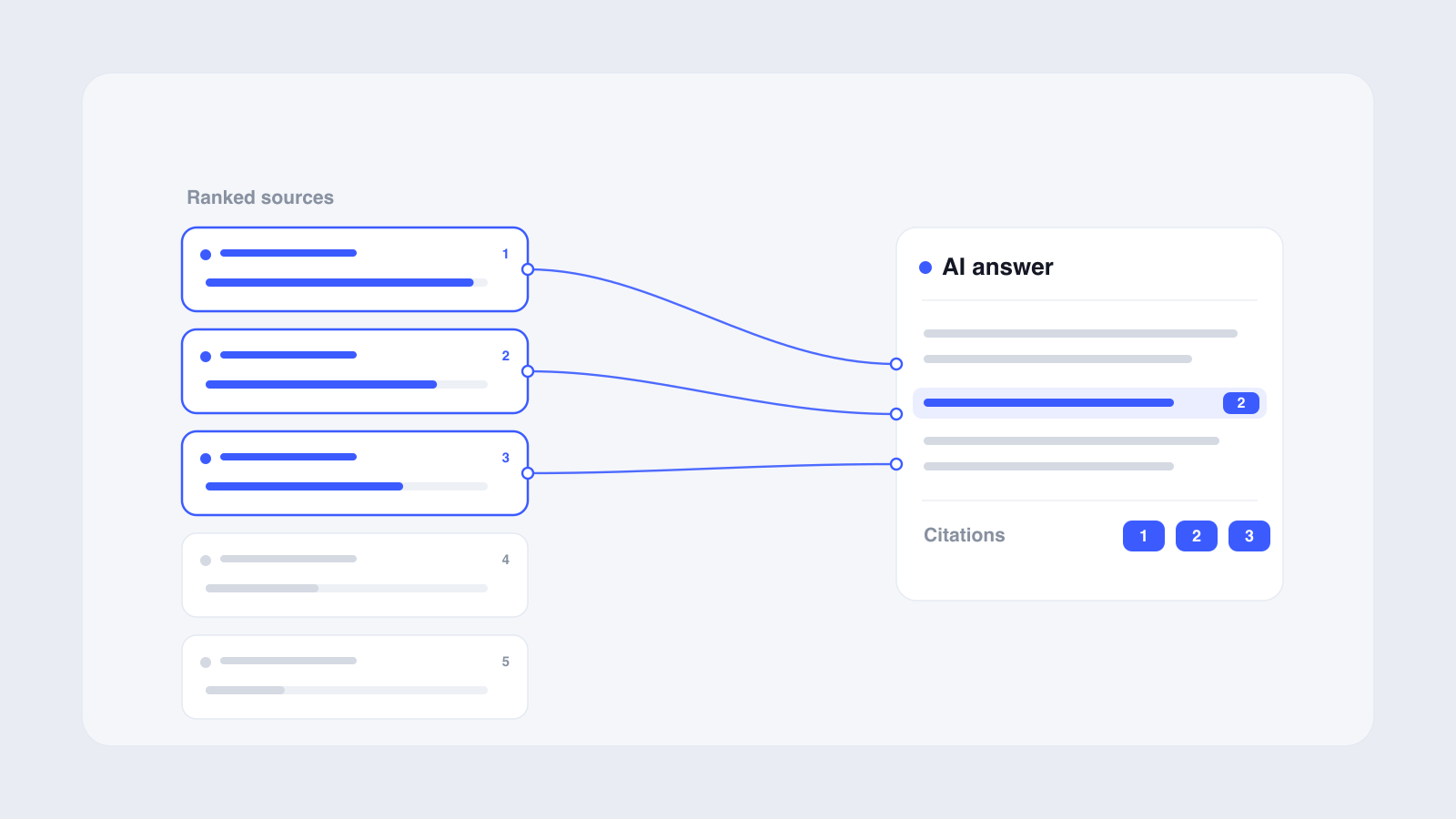
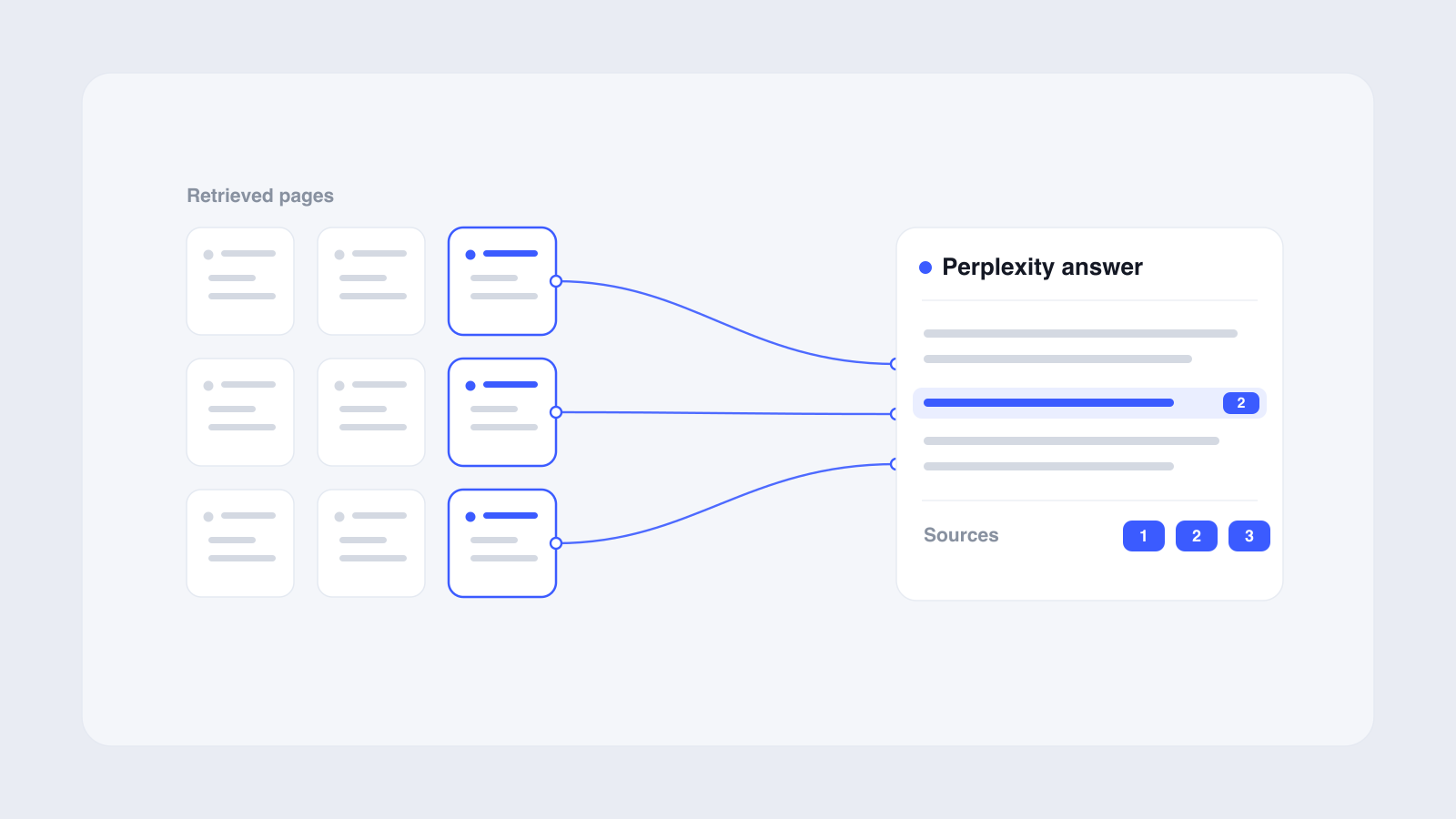
Trained knowledge tends to be consistent: ask the same question across sessions and you usually get the same answer. Browsing-augmented knowledge is different. The browser tool retrieves live web pages, but the answer depends on which pages the model finds. Trained knowledge is stable; browsed knowledge is situational.
Why cutoff dates create blind spots for brands
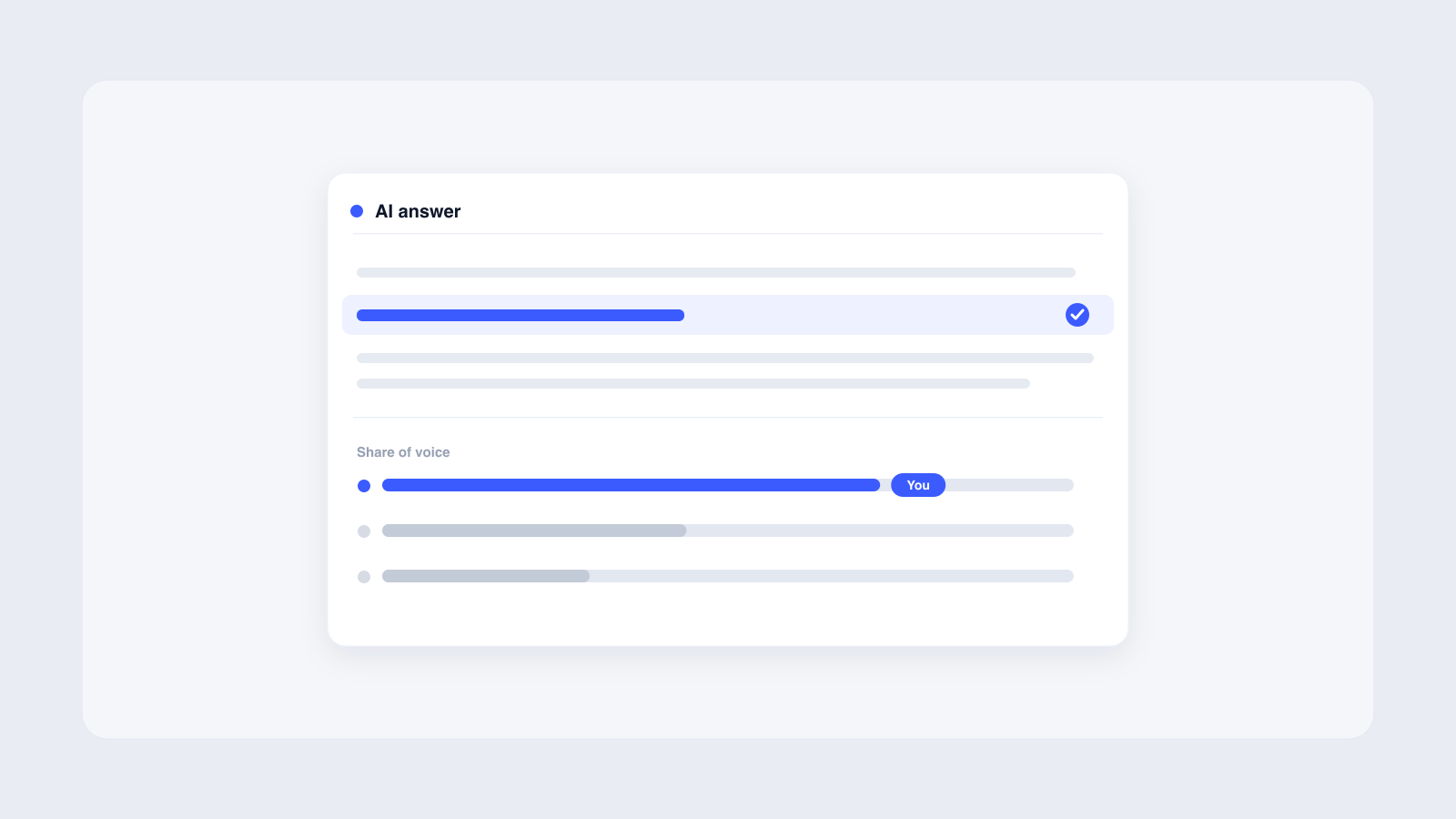
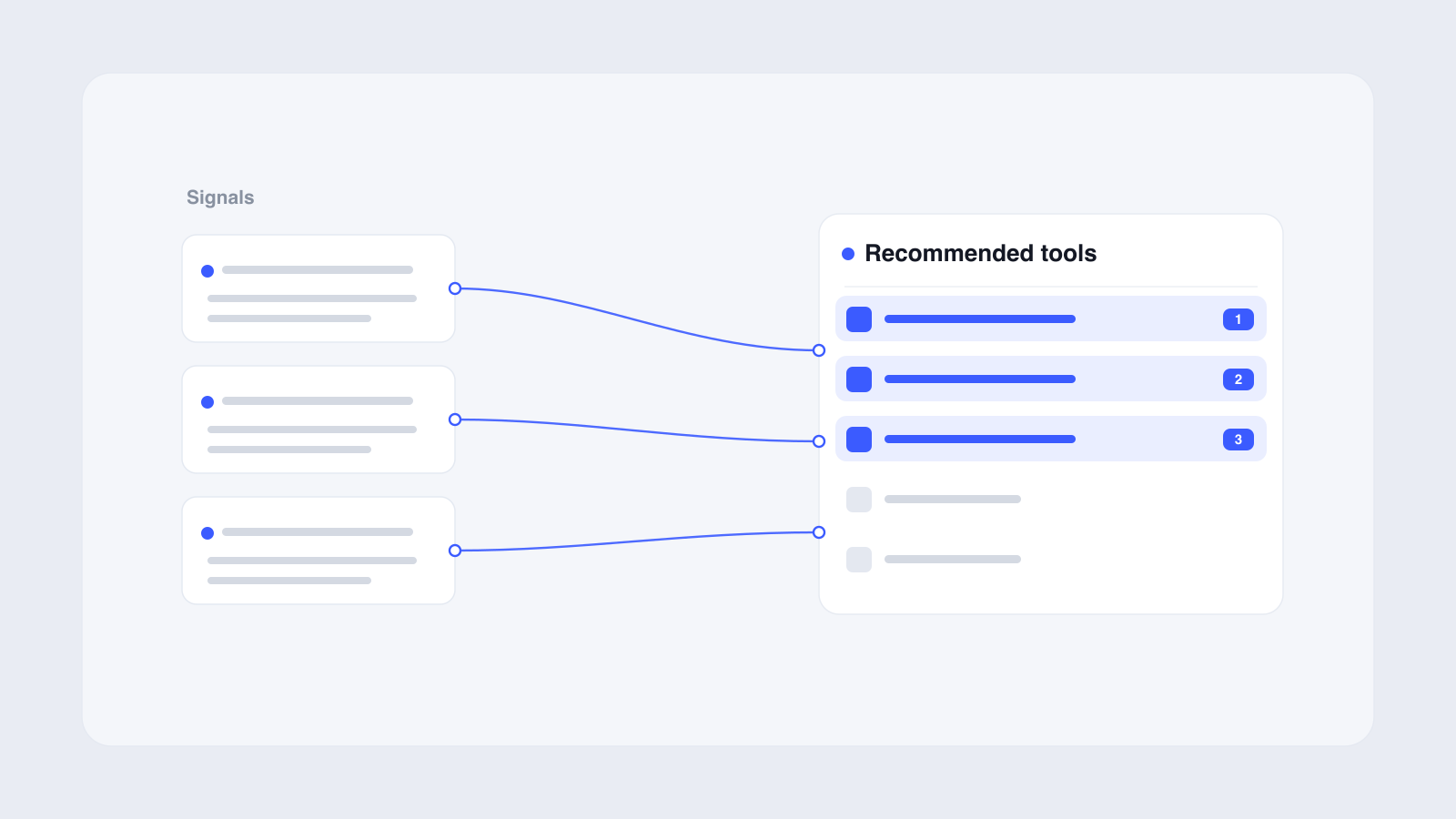
A brand that launched after the model's cutoff is invisible to its trained knowledge. If buyers ask ChatGPT to recommend tools in your category, the model will not name your product unless it can browse the web and find content about you. That gap is where buyers using ChatGPT for B2B software research miss you entirely, because your product simply does not exist in the model's training data.
How model updates change the cutoff without warning
OpenAI can swap the model behind ChatGPT without notice. A response that worked yesterday may behave differently today if the underlying model changed. Two people asking the same question on the same day can get answers from models whose training data ends months apart, which is why tracking model behavior over time matters for brands that depend on AI recommendations.
ChatGPT knowledge cutoff vs live web browsing: what is the difference?
Training knowledge and browsing-augmented knowledge serve different purposes. Training gives consistent answers about established topics; browsing handles current events the model was never trained on.
When to trust each source
Trust training knowledge for established facts that predate the cutoff: historical events, established technologies, stable frameworks. Trust browsing for anything recent: new product launches, current pricing, updated research. The two can disagree, and when they do, the model may not tell you which source it used. Anti-scraping protections on some sites can also block the browser tool, so the model falls back to outdated training data.
Why both matter for brand visibility
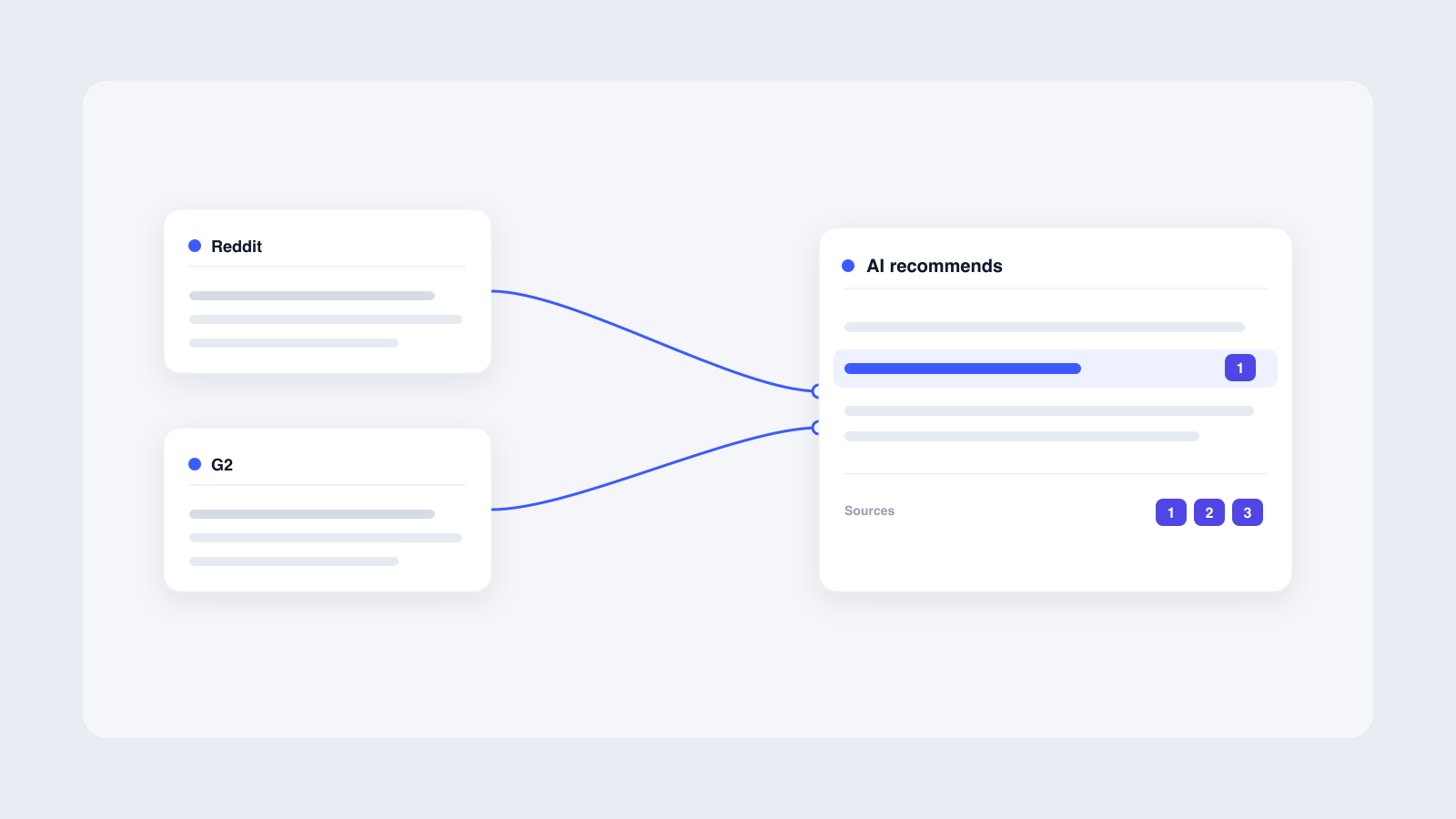
A brand founded after the cutoff can still surface through browsing if it has a strong web presence. Comparison pages and recommendation lists give the browser tool something to find. The cutoff creates a hard wall that only web presence and browsing can bridge, which is why measuring AI visibility requires tracking both modes.
| Aspect | Training knowledge | Browsing-augmented knowledge |
|---|---|---|
| Source | The model's training data | Live web pages |
| Consistency | Same answer every session | Varies by which pages the model finds |
| Coverage | Stops at the cutoff date | Current, but depends on page access |
How do you check which ChatGPT model and cutoff you are using?
The quickest way to verify your model's cutoff is to ask ChatGPT directly, then cross-check the answer against OpenAI's own documentation. The model may not report the date accurately every time.
Ask ChatGPT directly
Open a new chat and type "What is your knowledge cutoff date?" Note the date the model reports. Start a second chat and ask the same question in a different session or model tier. If the dates differ, the model is reporting inconsistent cutoff dates.
Cross-check against official release notes
OpenAI's developer API changelog lists releases and feature additions. If the self-reported date does not match the documented one, the model may be routing to a different version than the name suggests.
Watch for self-reported cutoff discrepancies
ChatGPT can report inconsistent cutoff dates across sessions. In May 2026, users reported that GPT-5.5 High claimed a June 2024 cutoff in the Plus web interface while the documented cutoff was December 1, 2025, as discussed in an OpenAI community thread. Running the same prompt across multiple models and sessions reveals whether your brand appears consistently.
- A knowledge cutoff is where a model's training data ends, not when the model shipped. GPT-5.5 shipped in April 2026 but its documented cutoff is December 1, 2025.
- Newer models can carry older cutoffs. GPT-4o's October 2023 cutoff predates GPT-4 Turbo's December 2023 cutoff, even though GPT-4o is the newer model.
- A brand launched after a model's cutoff is invisible to its trained knowledge unless the model can browse the web and find content about you.
- OpenAI can swap the model behind ChatGPT without notice, so two people can get answers from models whose training data ends months apart.
- Verify a model's cutoff by asking it directly, then cross-checking against OpenAI's release notes; self-reported dates can drift from the documented ones.
What should you do next?
Tracking AI model changes is not a one-time task. Each new model release can shift how your brand appears in AI-generated answers, and the model powering your buyers' questions today may not be the one they used last quarter.
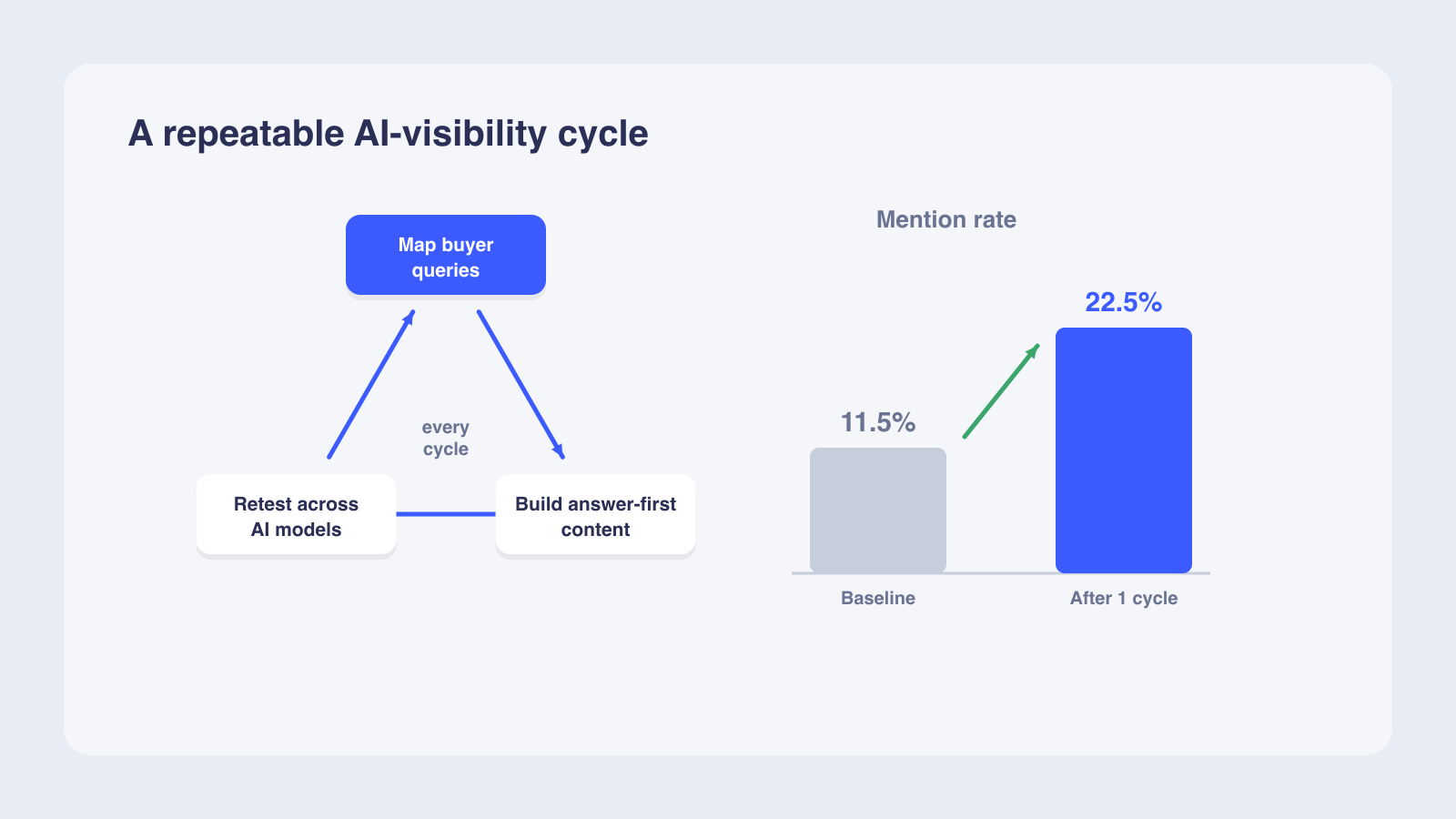
If buyers ask AI models for recommendations and your brand is missing, the gap costs you pipeline. Tracking AI mentions for your brand across ChatGPT, Perplexity, Gemini, and Claude over time is the way to catch silent shifts. Start by opening a fresh chat and asking ChatGPT, "What do you know about [your company]?" Compare the answer to what your brand actually does, then repeat the check each quarter. Visible Authority's 30-Day Visibility Sprint maps where you appear, deploys answer-first content, and measures the change in mention rate within 30 days.
Frequently asked questions
Which ChatGPT model has the most recent knowledge cutoff?
Can ChatGPT access information after its cutoff date?
Why does ChatGPT sometimes report the wrong cutoff date?
Does a newer ChatGPT model always have a more recent cutoff?
How often does OpenAI update ChatGPT's knowledge cutoff?
A free AI visibility audit of your own site across 5 engines: where you appear, who wins instead, and the first fixes. Report within 24 hours.